The Las Vegas valley never really stops building. New subdivisions keep rising in Henderson, Summerlin, the southwest valley, and North Las Vegas, and plenty of buyers want a home no one has lived in yet. It’s easy to assume a brand-new house doesn’t need an inspection. It usually does, and a new construction home inspection is how you find what the crews missed.
A new home is built quickly, by a long chain of subcontractors: framers, plumbers, electricians, HVAC installers, roofers, insulators, drywall and stucco crews, each on a tight schedule. Most of them do good work. But every trade that passes through is a chance for something to be missed, damaged by the next crew, or never finished.
“Didn’t the county already inspect it?”
Yes, and those inspections matter. City and county building inspectors check that construction meets code at specific stages. But their visits are brief, they focus on code minimums, and they aren’t reviewing workmanship or checking that everything works the way it should.
A home inspector works for you, not the builder or the jurisdiction. The inspection is slower and broader: running every fixture, testing outlets, walking the roof where it’s safe, and crawling through the attic. That’s often where new-home problems show up.
Three points in a build worth inspecting
Absher Home Inspections performs all three as part of its new construction inspection service for new homes across Clark County and Pahrump. You can book one, or schedule them around your build timeline.
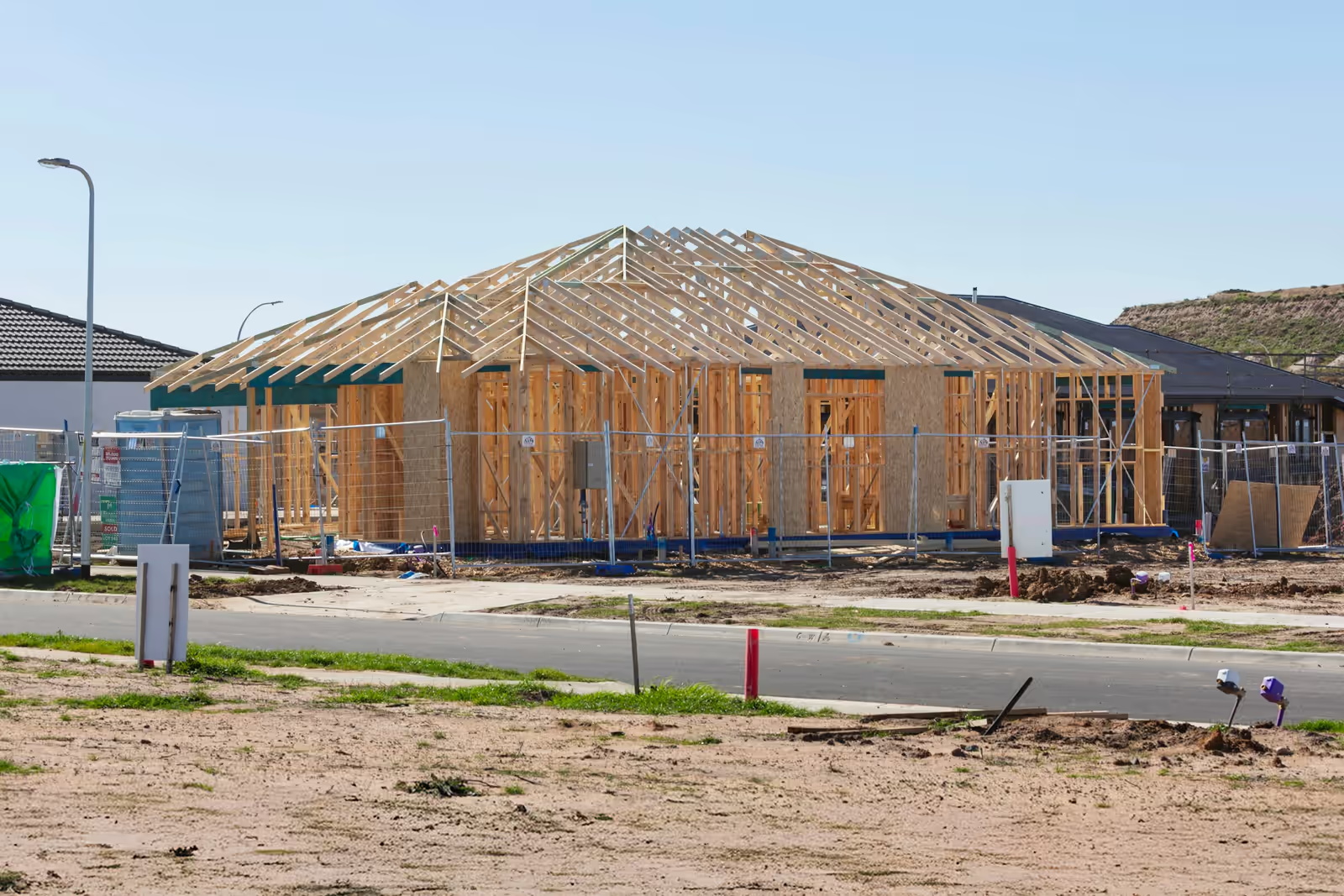
1. Before drywall (the pre-drywall or framing stage). Once insulation and drywall go up, the framing, plumbing, wiring, and ductwork disappear for good. An inspection at this stage looks at framing and trusses, structural connectors and straps, plumbing and electrical rough-in, window and door flashing, and duct runs while everything is still visible. Builders have different policies on outside inspectors during construction, so ask your builder early how to schedule access.
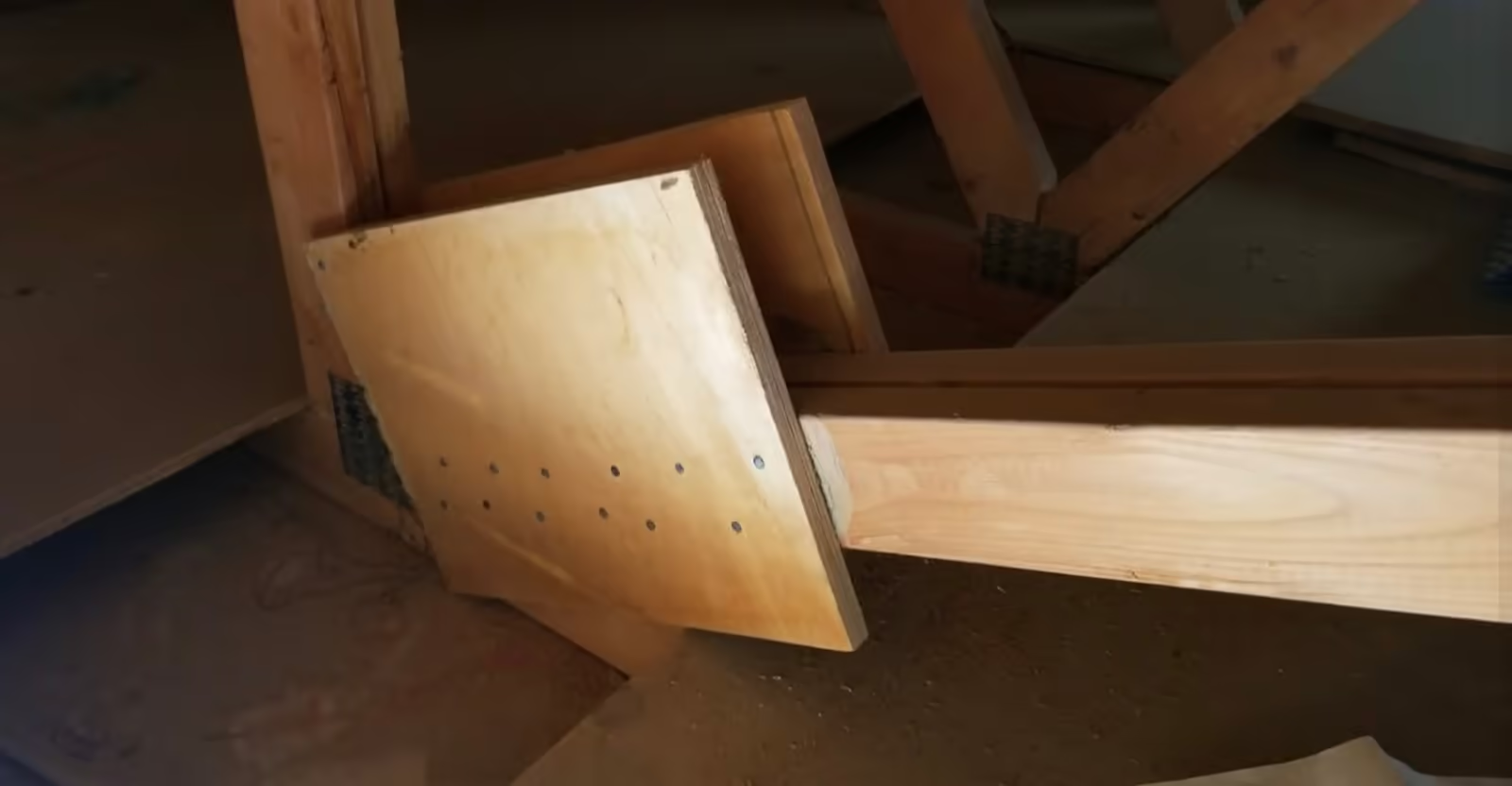
2. Before closing (the final inspection). Schedule this before your builder walkthrough or orientation, so anything found can go on the builder’s punch list while you still have leverage. This is a full inspection of the finished home, from the roof and attic to the appliances.
3. Before the builder warranty ends (the 11-month inspection). Many builders provide a one-year workmanship warranty. An inspection shortly before it ends catches the things that only show up after you’ve lived in the house: settling cracks, doors that no longer latch, stucco cracking, drainage problems revealed by monsoon storms, and how the AC handled its first Las Vegas summer. Warranty terms vary, so read yours and note the deadlines.
What inspectors often find in new Las Vegas homes
None of these are unusual, and most are straightforward for the builder to fix, if someone points them out in time:
- Drainage and grading. Soil that slopes toward the foundation instead of away from it, and irrigation that sprays directly onto stucco walls.
- Roof issues. Cracked, broken, or loose concrete tiles, often from foot traffic during construction, plus debris left under tiles or in valleys. (See what the desert does to tile roofs.)
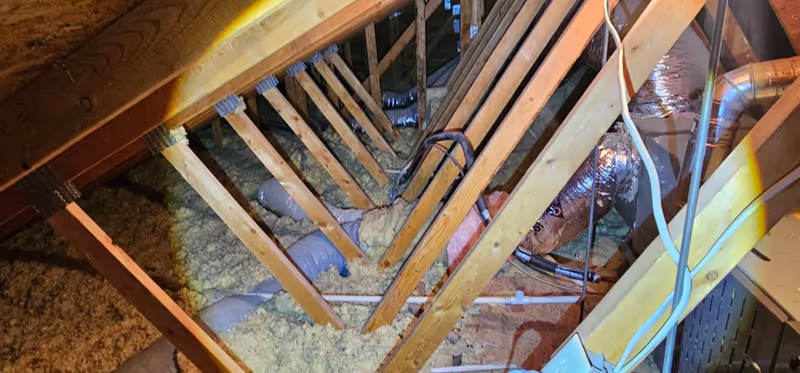
- Attic and HVAC. Missing or disturbed insulation, disconnected or crushed flex ducts, and condensate lines that aren’t properly routed. (More on Las Vegas attics and AC.)
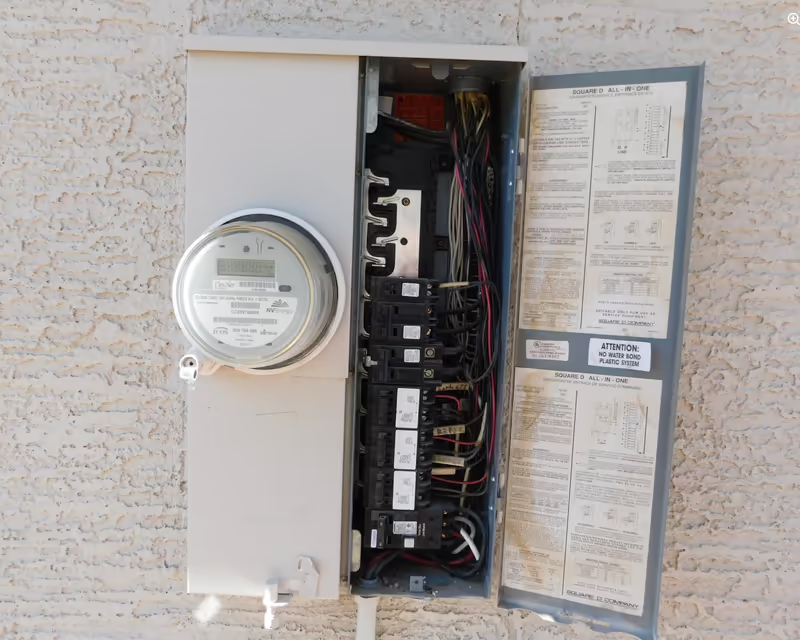
- Electrical. Outlets wired with reversed polarity, GFCI outlets that don’t trip or reset, missing cover plates, and fixtures that don’t work. (See GFCI and AFCI protection.)
- Plumbing. Slow leaks under sinks, loose fixtures, hot and cold reversed, and water heater venting or strapping details.
- Exterior. Stucco cracks, missing sealant around penetrations, and doors or windows that stick or don’t latch.
- Exhaust. Bathroom fans or dryer vents that don’t actually vent to the outside.
- Unfinished work. Missing trim, paint touch-ups, or appliances not fully installed.
Getting the most from a new-construction inspection
-
Book early. Pre-drywall timing depends on the builder’s schedule, so call as soon as you have a contract and ask the builder when framing and rough-in will be finished.
-
Send the builder the report in writing and keep copies of everything, including their responses.
-
Re-check the repairs before closing, or at the warranty inspection if they’re done later.
-
Keep your warranty paperwork and deadlines somewhere you’ll actually find them in eleven months.
For serious problems discovered after closing, Nevada has a formal construction defect claims process under NRS Chapter 40, with its own notice requirements and deadlines. If you think you have a significant defect, talk with a Nevada attorney about your options sooner rather than later.
New homes are some of the best-built houses in the valley. An inspection makes sure yours matches the model you toured.