In most of the country, air conditioning is a comfort. In Las Vegas it is closer to a life-safety system. When summer highs run well past 100°F for weeks and nights barely cool off, a home’s cooling system works harder here than almost anywhere else in the United States, and much of that system lives in the attic.
Why the attic matters more here
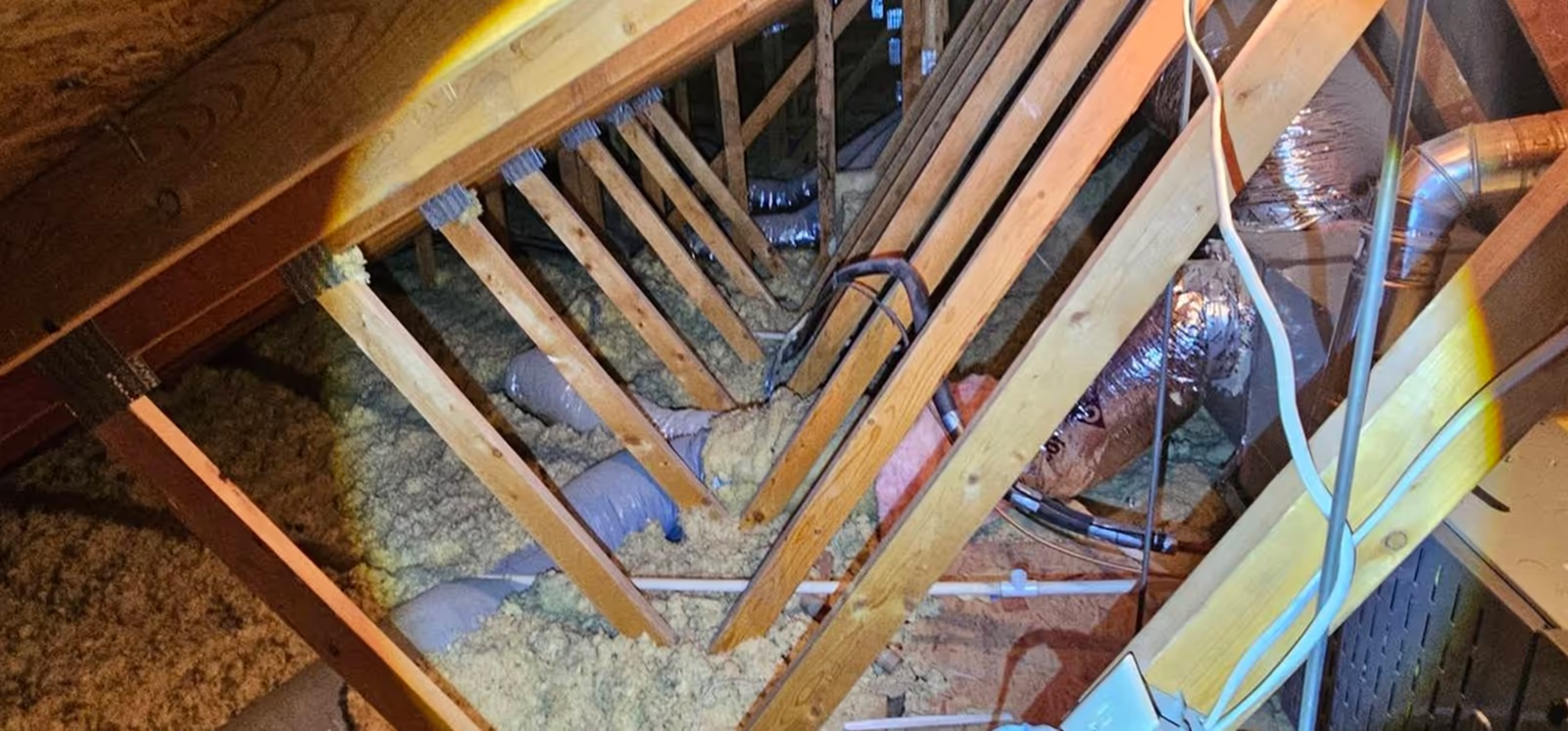
Many homes across the valley put the furnace or air handler in the attic, along with nearly all the supply ductwork. On a July afternoon, an attic in Las Vegas can easily climb past 140°F. That means the cold air your AC produces travels through ducts sitting in one of the hottest places on the property before it reaches your rooms.
Every leak, gap, crushed duct, or thin patch of insulation up there costs you cooling. A system that is technically working can still leave back bedrooms uncomfortable and power bills high because of what is happening in the attic.
What a home inspector checks in the attic
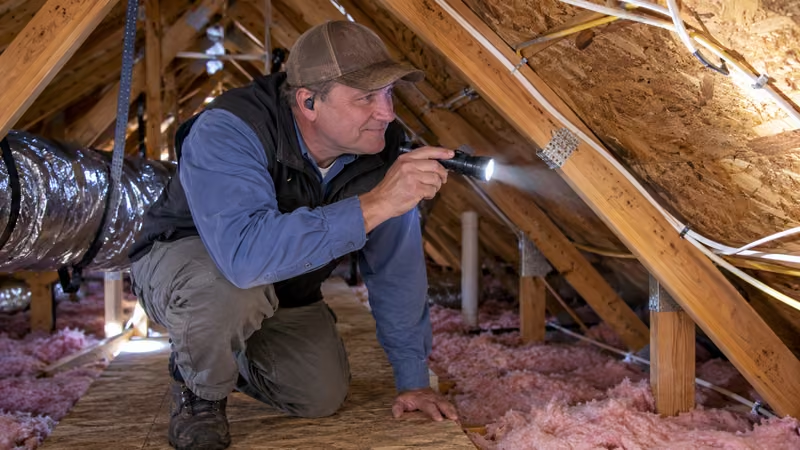
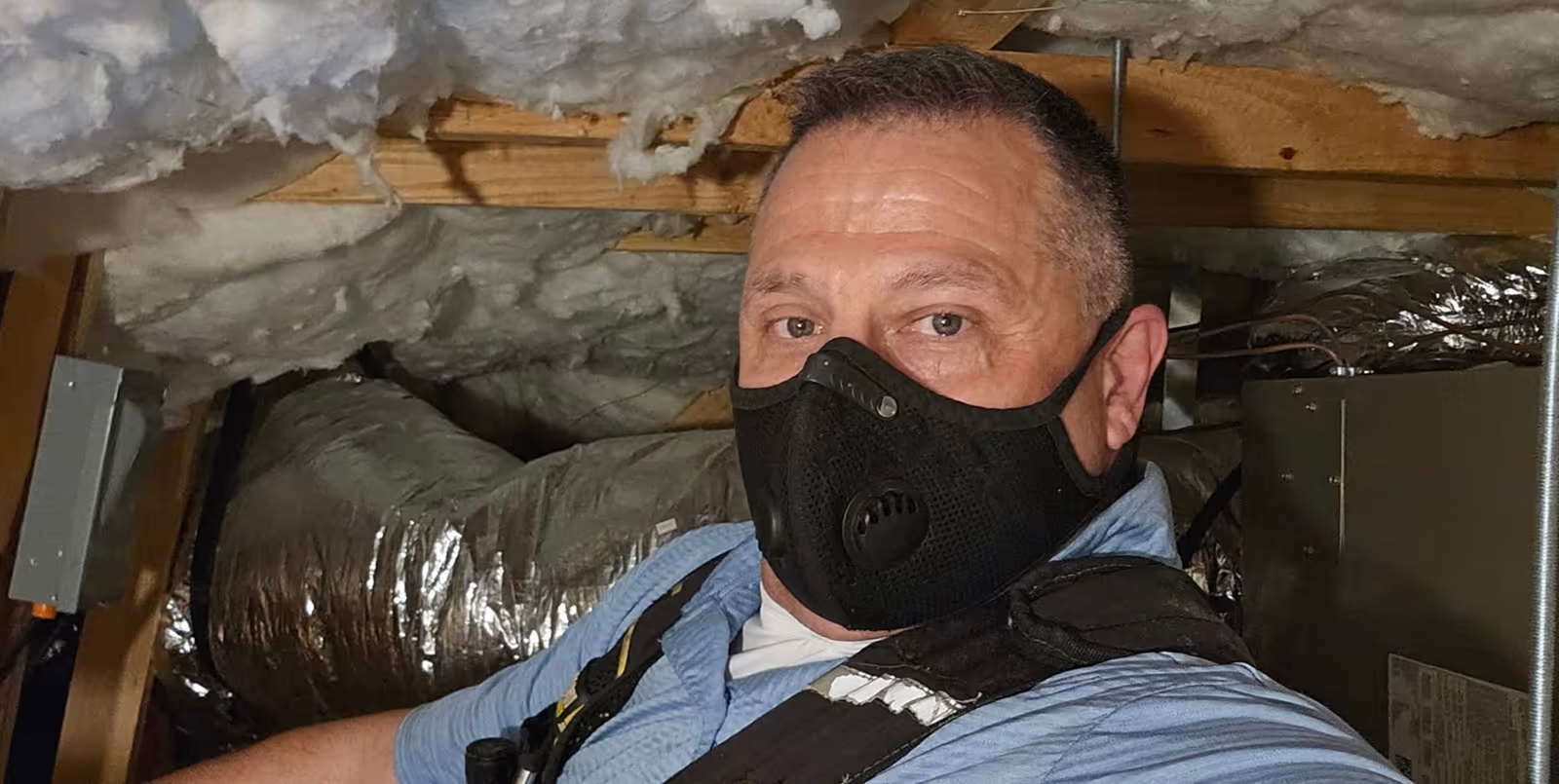
Where it can be entered and moved through safely, the attic is inspected from the inside, not with a quick look from the hatch. In a typical Las Vegas attic, we look at:
- Ductwork. Flexible ducts can come apart at their connections, get crushed or kinked by later work, or sag and droop. A disconnected duct dumps cooled air straight into the attic, which is a common reason one room never cools down.
- The air handler or furnace. We check the unit’s general condition, its visible wiring, the flue on gas furnaces, and signs of overheating, rust, or past water leakage.
- Condensate drainage. Air conditioners pull a lot of water out of the air. In an attic installation, that water needs a clear primary drain line, and there should be a secondary drain pan or overflow shutoff switch under the unit. A rusted or water-stained pan is a warning sign; a failed drain can soak the ceiling below.
- Insulation. Blown-in insulation settles over time and gets trampled by technicians and cable installers. We look for thin or bare areas, gaps along the attic edges, and insulation that has been pushed aside and never replaced.
- Ventilation. Roof and eave vents help move heat out of the attic. Blocked vents, and bathroom or kitchen fans that exhaust into the attic instead of outdoors, both show up here.
- Signs of roof leaks and pests. Water stains on the sheathing (often from aging tile roof underlayment), and droppings or nesting from pigeons and rodents, are easiest to spot from inside the attic.
Checking the air conditioning itself
Beyond the attic, the AC is tested as a system. We run it and measure the temperature split, the difference between the air going into the return and the air coming out of the supply registers. A healthy system typically cools the air by roughly 15 to 20°F. A split well outside that range suggests the system should be evaluated by an HVAC contractor.
We also look at the outdoor condensing unit: its age and data plate, the condition of the coil fins (which take a beating from dust and hail), the refrigerant line insulation, and the electrical disconnect. Desert conditions shorten equipment life, so the age of the unit matters. If the data plate shows an older system that uses R-22 refrigerant, keep in mind that R-22 has been out of production in the U.S. since 2020, which makes recharging those systems expensive.
A note on winter inspections
Buying in December or January? Manufacturers generally warn against running an air conditioner when it is cool outside, roughly below 60 to 65°F, because doing so can damage the compressor. If it is too cold to safely operate the AC on inspection day, we report that it was not tested and why, and still inspect everything that can be checked visually. It is worth asking the seller for recent service records in that case.
What to do with the findings
Not sure what to expect on inspection day? See How to Prepare for a Home Inspection in Las Vegas.
Most attic and HVAC findings fall into three buckets:
- Simple fixes, like reconnecting a duct, clearing a condensate line, or adding insulation where it was disturbed.
- Service items for a licensed HVAC contractor, such as an abnormal temperature split, a rusted drain pan, or a unit that hasn’t been maintained.
- Budget items, like an older system that works today but is nearing the end of its expected life in this climate.
Knowing which is which before you close lets you negotiate with real information and plan for the summers ahead. In Las Vegas, that planning pays off every July.