If you’ve noticed a window in a Las Vegas home that looks permanently hazy, with a milky film or streaks you can’t wipe off from either side, the problem is between the panes. That’s a failed seal, and it’s one of the most common window findings in desert homes.
How dual-pane windows work
Most windows in Las Vegas homes are dual-pane (sometimes called insulated glass): two sheets of glass separated by a spacer and sealed around the edge. The space between them is filled with dry air or an insulating gas like argon. That sealed layer slows heat moving through the glass, which is what makes these windows far more efficient than single panes.
The seal is what makes it work. Once it fails, humid air gets into the space between the panes. As temperatures change, moisture condenses on the inside surfaces, then dries, leaving mineral deposits behind. Over time, that creates the permanent fog or haze you can’t clean.
Why seals fail in the desert
Window seals don’t last forever anywhere, but Las Vegas is hard on them:
- Heat cycling. Glass and frames expand in the afternoon sun and contract at night, every day. That constant movement stresses the edge seal.
- Direct sun. West- and south-facing windows take the most heat and often fail first.
- Sprinklers. Irrigation that sprays windows keeps water sitting at the bottom edge of the seal.
- Age. Many valley homes from the 1990s and 2000s still have their original windows.
Does a failed seal matter?
It’s mostly a visibility and efficiency issue, not a safety one. A failed seal reduces the window’s insulating value, so you lose some of the benefit you’re paying for in summer cooling. And a fogged window is hard to see through, which matters most for a view window or a sliding door.
The good news is that you often don’t need a whole new window. In many cases, the sealed glass unit can be replaced in the existing frame. Some windows also carry a manufacturer warranty on the glass seal, so it’s worth finding out who made the windows and whether any coverage remains.
What an inspector looks for on windows and doors
A home inspection looks at a representative number of windows and doors, including:
- Visible seal failure: fogging, haze, or condensation between panes. Fogging comes and goes with temperature and sunlight, so a failed seal may not be visible every time. Inspectors report what they can see that day.
- Operation: windows and sliders that stick, won’t latch, or have broken balances, rollers, or locks.
- Frames and seals: cracked or warped frames, deteriorated weatherstripping, and failed sealant where the window meets the stucco. That joint is a common entry point for water during monsoon storms.
- Safety glass: tempered glass where it’s required, such as in doors, next to doors, and near tubs and showers.
- Egress: bedroom windows that can actually be opened and used to get out in an emergency, without painted-shut sashes or blocked openings.
- Screens and sun screens: Sun screens are common on Las Vegas windows. Damaged or missing screens are noted.
If the report notes failed seals
Get a quote from a window contractor for replacing the affected glass units, and ask whether any warranty applies. One or two failed seals are a routine maintenance item. Widespread failure across a house is worth factoring into your negotiations and your plans.
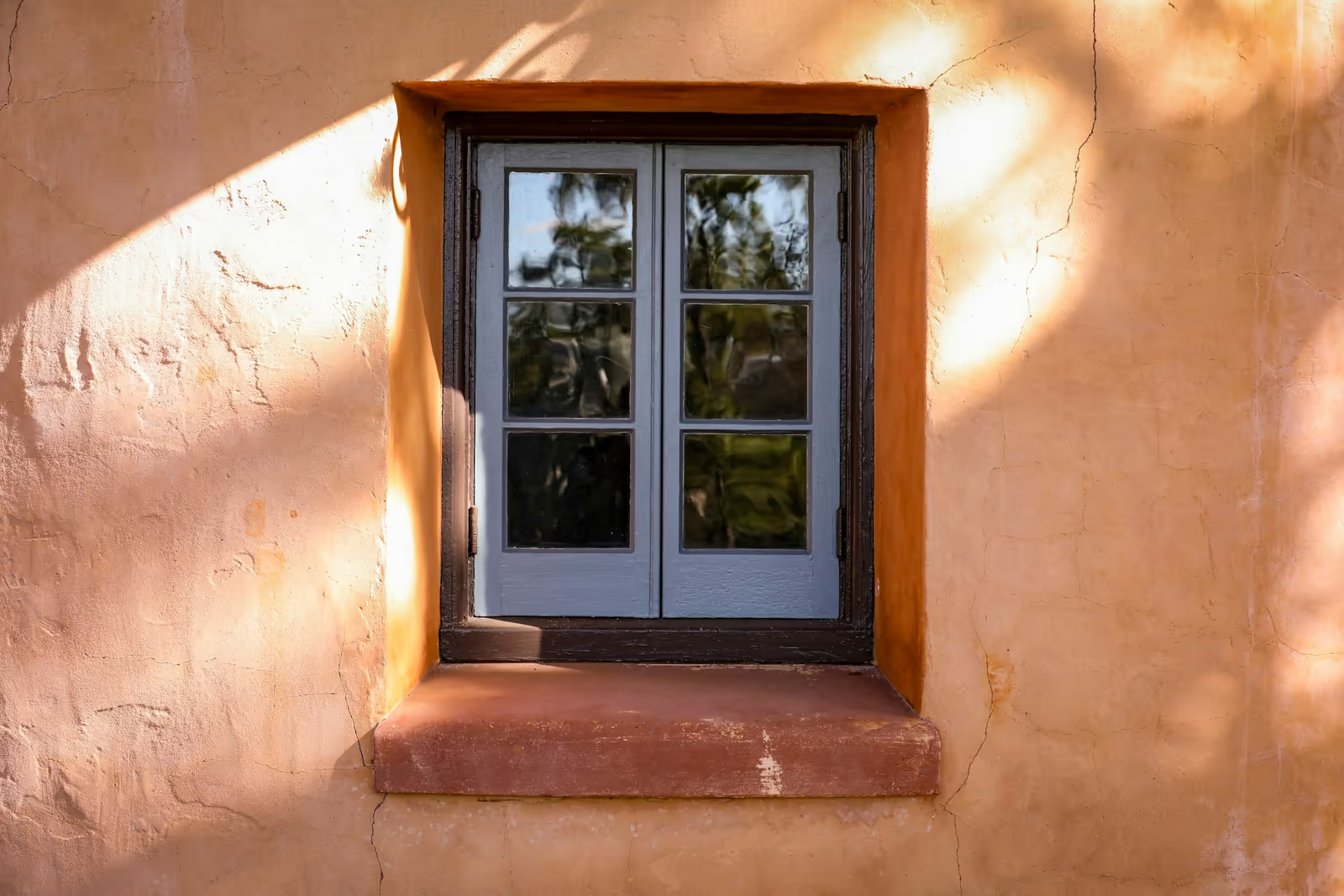
While you’re looking at the windows, look at the wall around them too. Cracks radiating from window corners are common in stucco homes. Most are cosmetic, but some aren’t. See Stucco Cracks in Las Vegas Homes for how to tell the difference.
Common questions
Can a foggy dual-pane window be fixed without replacing the whole window?
Often, yes. In many cases the sealed glass unit can be replaced without replacing the frame. A window contractor can tell you whether that works for your windows, and whether any manufacturer warranty still applies.
Will a home inspection find every failed window seal?
Not always. Fogging comes and goes with temperature, humidity, and sunlight, so a failed seal may not be visible on inspection day. Inspectors report the failures they can see.