If you’ve lived in Las Vegas for a while, you already know the signs: white crust on faucets, spotty glasses out of the dishwasher, and a shower head that slowly loses pressure. That’s hard water. It’s safe to drink, but it is tough on a house.
Most of the valley’s water comes from Lake Mead and the Colorado River, which carry a heavy load of dissolved calcium and magnesium. By the usual measures, Las Vegas water is classified as very hard, and it is often listed among the hardest municipal water in the United States. (The Las Vegas Valley Water District publishes current figures in its annual water quality report.)
When hard water is heated or evaporates, those minerals come out as scale. Over years, that scale does real damage in a few predictable places.
The water heater takes the biggest hit
Heat speeds up scale formation, so the water heater is where hard water does the most harm.
- Tank water heaters collect mineral sediment in the bottom of the tank. Sediment insulates the water from the burner or element, lowers efficiency, and can cause rumbling or popping noises as the unit heats. Over time it shortens the heater’s life.
- Tankless water heaters push water through a small heat exchanger that can clog with scale. Most manufacturers call for periodic descaling, and in Las Vegas that maintenance really matters.
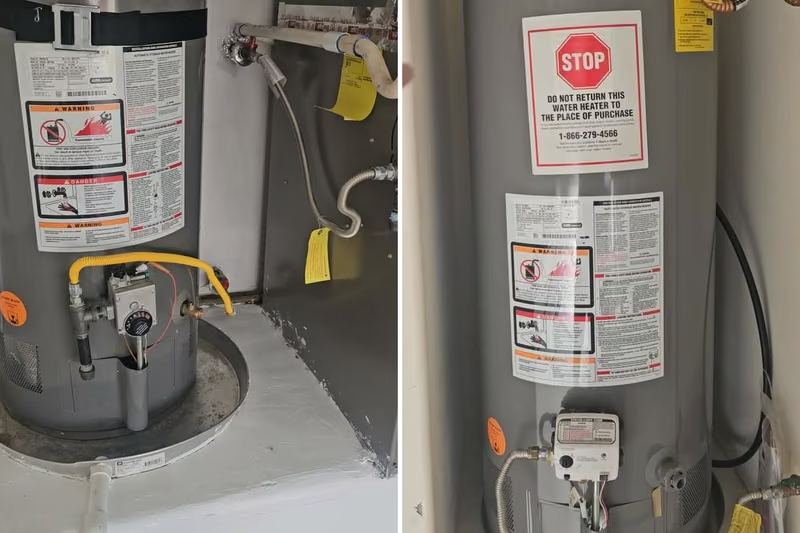
During an inspection we look at the water heater’s age and data plate, and at the signs of trouble: rust or corrosion at the fittings, leaks or water at the base, and scale around connections. We also check the safety items that matter no matter how hard the water is:
- A temperature and pressure relief valve with a discharge pipe that runs to a safe location
- Seismic straps, which Southern Nevada requires on water heaters
- Proper venting on gas units, and a clear, safe combustion air supply (more in Gas Water Heater Safety)
- An expansion tank where the system needs one
Fixtures, appliances, and the small stuff
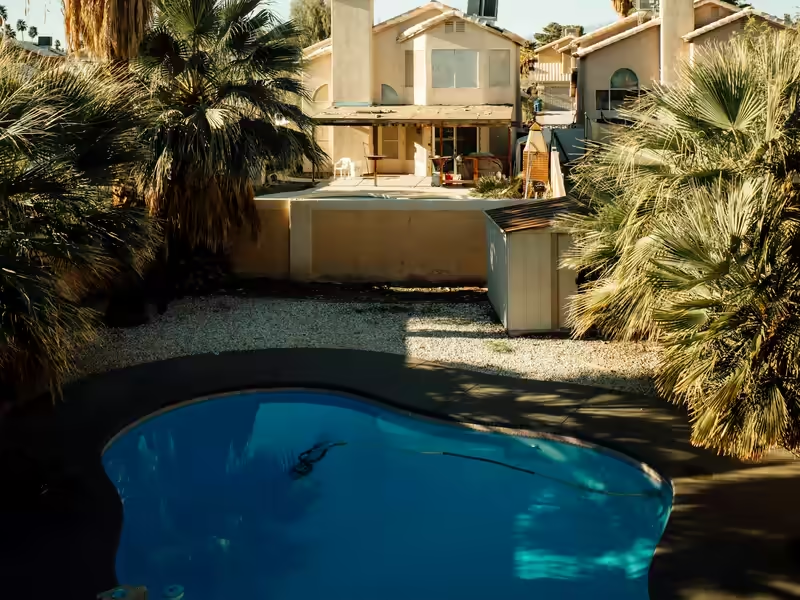
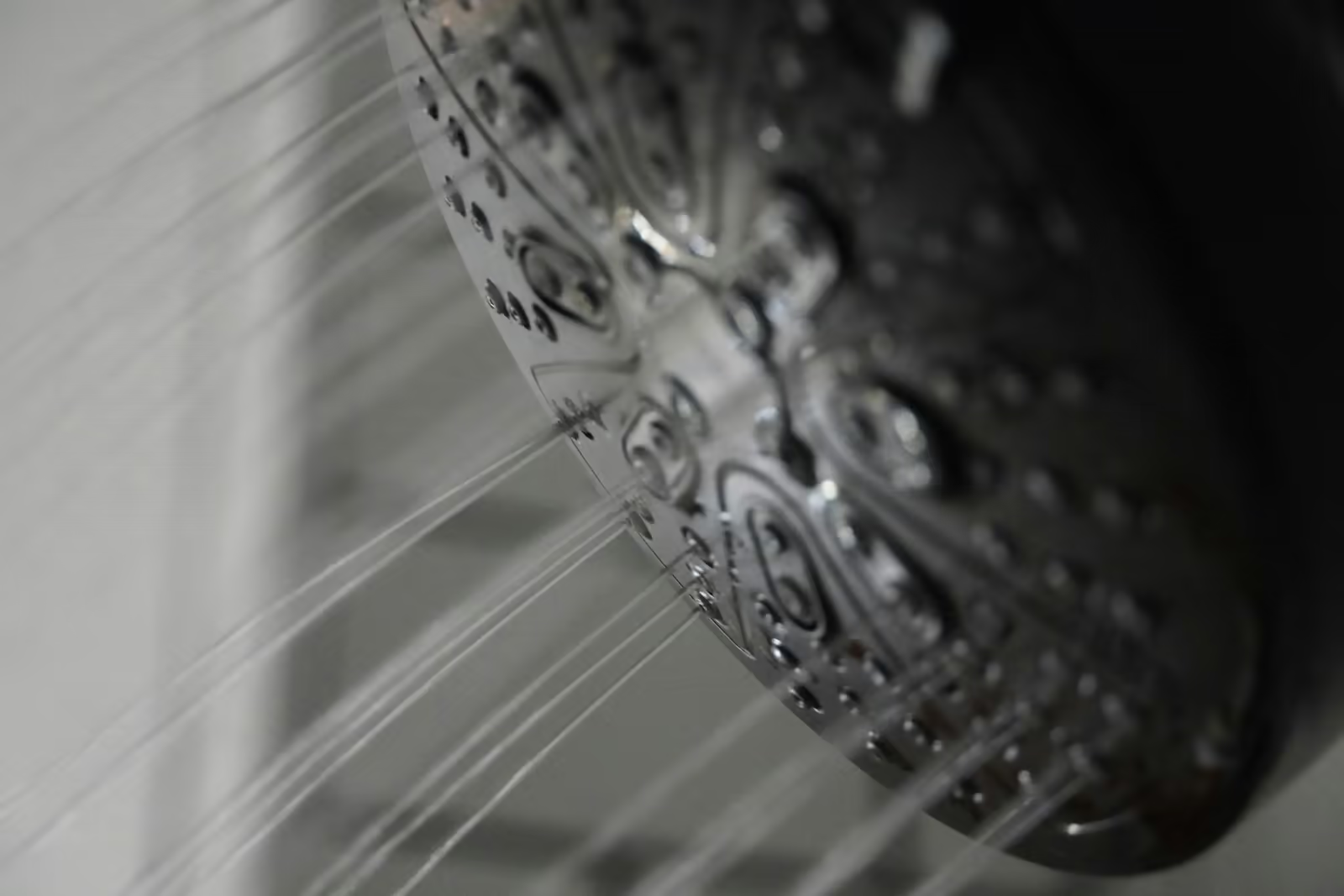
Scale builds up anywhere water sits or evaporates. Expect it at faucet aerators, shower heads, toilet fill valves, dishwasher spray arms, ice makers, and washing machine valves. Backyard pools and spas collect it too, on tile, heaters, and salt cells (see what a pool and spa inspection covers). Much of it is cosmetic or a cheap fix, but heavy buildup across the house can signal that the home has gone years without a water softener or regular maintenance.
Low water flow at a single fixture is often just a clogged aerator. Low flow throughout the house is a different finding, and worth a closer look.
Water softeners and water pressure
Many Las Vegas homes have a water softener, usually in the garage near the main water line. If there is one, we note it and look for leaks and obvious problems at the unit and its connections. A softener that has been unplugged or run out of salt for months isn’t doing anything, so ask the seller whether it is in use.
We also check the water pressure. Pressure that is too high puts constant stress on supply lines, valves, and appliance connections. When readings run high, the fix is usually a pressure-reducing valve, or replacing one that has failed. It is an inexpensive repair that protects everything downstream.
While we’re in the plumbing
A few other plumbing items come up regularly in Las Vegas homes:
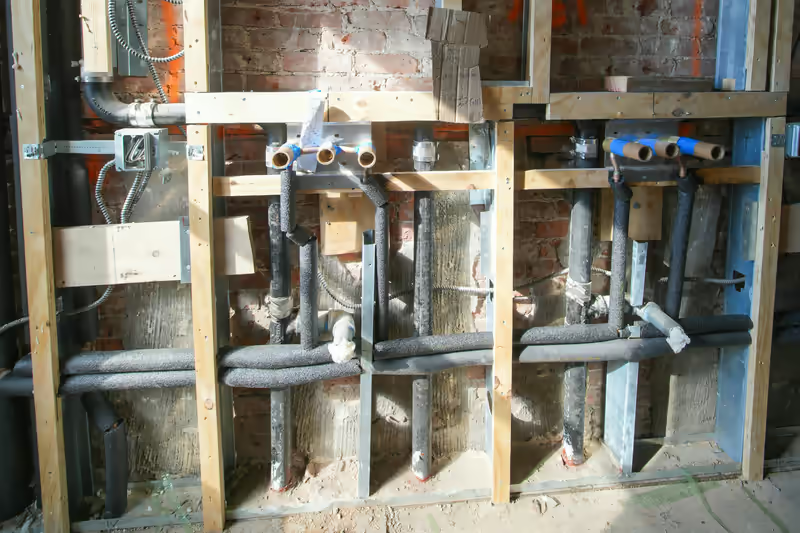
- Polybutylene supply piping. This gray plastic pipe was used in many homes built from the late 1970s through the mid-1990s and has a history of failures at fittings. When it can be seen, we identify it so you can have a plumber evaluate it.
- Kitec supply piping. Orange and blue composite pipe with brass fittings, common in homes built from the mid-1990s to 2007, with a history of fitting failures. See Kitec Plumbing in Las Vegas Homes.
- Supply lines and shutoff valves under sinks and at toilets. Mineral buildup can seize shutoff valves, and old braided lines are a common source of sudden leaks.
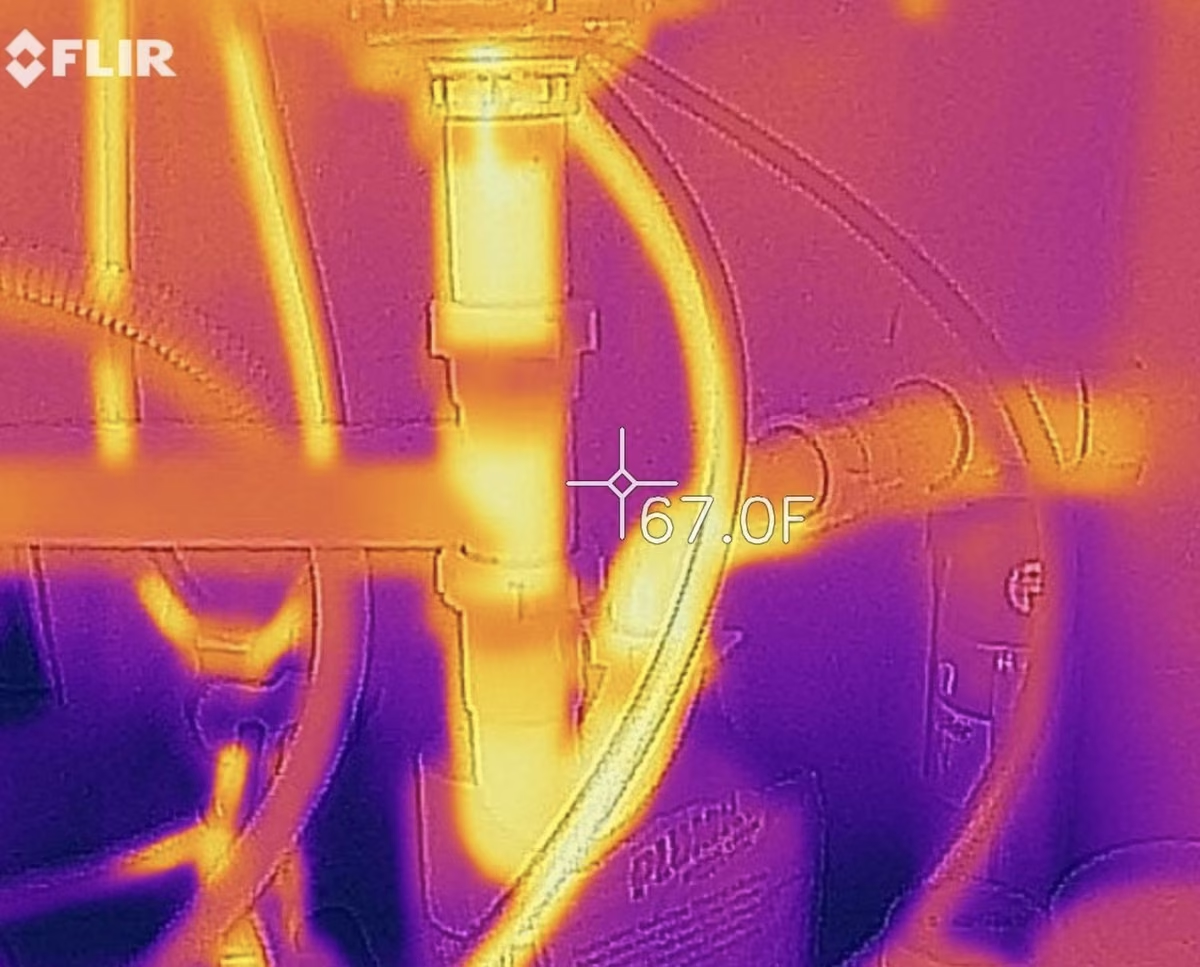
- Signs of past leaks, such as stains, soft drywall, or warped cabinet floors under sinks, often checked with a moisture meter and thermal camera.
The takeaway
Hard water is a fact of life in Las Vegas. It isn’t a reason to walk away from a house. It is a reason to know the age and condition of the water heater, whether the home has a working softener, and whether scale has already caused damage. An inspection gives you those answers before you own the house, instead of after the water heater fails.